Modern Geometric Patterns in Blue Tones: A Deep Dive into Abstract Design
Understanding Modern Geometric Patterns in Blue Tones
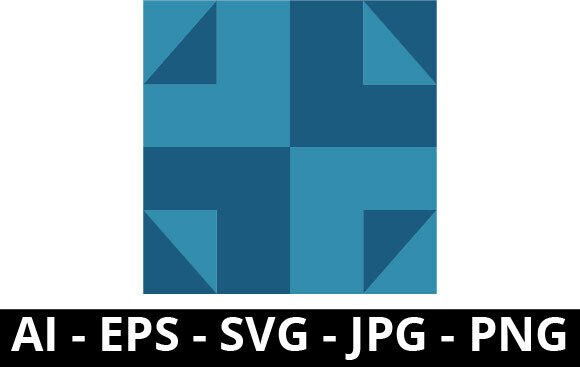
Modern geometric patterns in blue tones are a popular choice in today’s design landscape, blending clean aesthetics with a sense of professionalism and calm. These patterns are often rooted in abstract design principles, combining geometric shapes like triangles, squares, and hexagons with a soothing blue palette. Whether used as a modern background, a corporate identity element, or a web background, these designs offer both visual appeal and functional versatility.
At their core, modern geometric patterns rely on symmetry, repetition, and minimalism. The use of blue adds a sense of trust, stability, and modernity—making them ideal for business, tech, and educational contexts. Whether in print or digital formats, these patterns can serve as seamless patterns, graphic design elements, or even part of interior design schemes.
Why Blue Works So Well
Blue is more than just a color—it’s a psychological trigger. In design, blue is often associated with trust, professionalism, and calm. This makes it a go-to choice for business design, tech background visuals, and digital art projects. When used in geometric patterns, blue tones can enhance the clarity and focus of a design, especially when combined with minimalist principles.
- Trust and Authority: Blue is widely used in corporate branding for its ability to convey reliability.
- Calm and Focus: Lighter blues can create a relaxing atmosphere, ideal for educational or wellness-related designs.
- Modern Appeal: Darker or gradient blues offer a sleek, futuristic look that fits well with tech pattern and digital background applications.
Blue Gradients and Their Impact
One of the most striking features of modern geometric patterns is the use of blue gradients. These gradients can range from soft pastels to deep navy tones, creating depth and dimension. In abstract squares or geometric mosaics, gradients help break the monotony of flat colors and add a dynamic visual flow.
In Web and Graphic Design
For graphic design professionals, geometric patterns in blue tones offer a versatile and scalable solution. They can be used as web backgrounds, social media templates, or even as part of business templates. These patterns are often created using vector pattern tools, ensuring they remain sharp and scalable across different screen sizes.
Designers appreciate how these patterns can serve as a minimalist background without overwhelming the content. In UI/UX design, such backgrounds help maintain a clean layout while subtly enhancing the visual experience.
In Interior and Decorative Design
Interior designers have also embraced modern geometric patterns for both residential and commercial spaces. Whether in wallpaper, textiles, or wall art, these patterns add a contemporary touch. The interior design pattern using blue tones can create a sense of space and tranquility, especially in modern offices or minimalist homes.
These patterns are often part of a larger decorative pattern system, blending with other textures and colors to form a cohesive aesthetic. Their repeating pattern nature makes them easy to adapt to different surfaces and materials.
In Corporate and Business Identity
Businesses looking to project a modern, trustworthy image often incorporate geometric background elements into their branding. From corporate background slides to business pattern stationery, these designs help reinforce brand identity through visual consistency.
Blue geometric patterns are especially effective in professional background settings, where clarity and elegance are key. They can be used subtly in presentations or more prominently in logo design, depending on the desired visual impact.
Vector-Based Design Tools
Most modern geometric patterns are created using vector-based software like Adobe Illustrator or free tools like Inkscape. These allow designers to create seamless patterns that can scale without losing quality. The use of vector pattern tools ensures that elements like geometric shapes, abstract squares, and blue triangles remain crisp and clean.
Using Patterns in Design Projects
- Choose the Right Tone: Decide whether a light, calming blue or a bold, professional tone fits your project best.
- Balance with Minimalism: Pair your geometric background with clean typography and white space to maintain a minimal design.
- Test for Repeatability: Ensure your repeating pattern looks consistent and smooth when tiled across a large surface.
- Optimize for Digital Use: If using online, export your pattern in web-friendly formats like PNG or SVG for digital background applications.
Common Misconceptions About Geometric Patterns
Despite their popularity, there are a few common misconceptions about modern geometric patterns:
- Misconception 1: They are too complex for minimal design. In reality, when used subtly, they enhance rather than overwhelm a clean design.
- Misconception 2: They are only for digital use. False—they are equally effective in print and physical design applications.
- Misconception 3: All geometric patterns are symmetrical. While many are, abstract composition allows for asymmetry and creative freedom.
Why Modern Geometric Patterns Matter Today
In a world increasingly driven by digital interaction and visual communication, modern geometric pattern in blue tones offer a powerful way to convey professionalism, creativity, and calm. Whether you're a graphic design student, a small business owner, or someone interested in interior design, these patterns provide a flexible and timeless solution.
From contemporary pattern trends to design elements used in architectural pattern projects, the applications are vast and growing. As technology and design tools evolve, so too will the ways we incorporate these patterns into our everyday lives—whether in web background design, surface pattern applications, or digital art projects.
Final Thoughts
Modern geometric patterns in blue tones are more than just a design trend—they are a testament to the enduring power of simplicity, symmetry, and color psychology. Whether you're creating a professional background for a presentation or designing a modern wallpaper for your home, these patterns offer a blend of beauty and functionality that few other design elements can match.
By understanding their structure, purpose, and practical applications, anyone can harness the power of geometric art to elevate their creative projects and communicate more effectively through visual design.