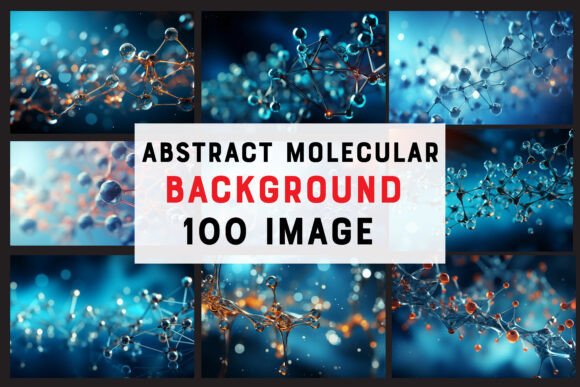
Abstract Molecular Structure Background
Understanding Abstract Molecular Structure Background
Abstract molecular structure backgrounds are visually engaging representations of complex scientific concepts. They often feature stylized depictions of atoms, molecules, and chemical bonds in a way that is both artistic and informative. These backgrounds are not literal diagrams but rather conceptual illustrations that evoke the essence of molecular science. They are widely used in design projects that intersect with science, technology, and education.
Such backgrounds can be found in presentations, websites, marketing materials, and educational tools. Their flexibility makes them suitable for a variety of audiences, from students to researchers to entrepreneurs. Understanding how to use and evaluate these visuals can help individuals and businesses make better design and communication decisions.
Why Different People Care About Molecular Backgrounds
What makes abstract molecular structure backgrounds valuable varies depending on the user. For example:
- Beginners may appreciate the visual appeal and simplicity of these backgrounds as a way to engage with science topics.
- Educators might use them to enhance learning materials and infographics, making complex ideas more digestible.
- Designers and marketers find them useful for branding and promotional materials in scientific and medical fields.
- Entrepreneurs in biotech or health industries may use them to create a professional, innovative image for their products or services.
Each group interacts with these visuals differently based on their goals, technical knowledge, and intended audience.
How to Use Abstract Molecular Structure Backgrounds
These backgrounds are available in high-resolution formats like JPG, making them suitable for both digital and print applications. Here are some practical ways different users can incorporate them:
- Scientific Presentations: Researchers and students can use these backgrounds in slideshows or posters to create a visually cohesive theme for their work.
- Medical Branding: Clinics, labs, and healthcare startups can integrate these visuals into logos, brochures, or website headers to convey professionalism and scientific expertise.
- Technology Graphics: AI and biotech companies can use them to illustrate innovation and precision in their visual storytelling.
- Educational Platforms: E-learning websites and textbooks can use these backgrounds to make scientific content more engaging for learners of all ages.
- Web Design: Science-focused websites can use them as UI backgrounds to reinforce their niche identity and improve aesthetic appeal.
Because these visuals are abstract, they offer flexibility without being too technical, allowing for creative use across different industries.
Choosing Based on Your Needs
When selecting an abstract molecular structure background, it’s important to consider your specific needs and how the image will be used:
- Beginners: Look for designs that are clean and not overly complex. Simplicity helps avoid visual clutter and keeps the focus on the main message.
- Professionals: Prioritize high-resolution files and scalability. You may need the image for both large posters and digital slides, so quality is key.
- Designers: Choose visuals that can be layered with text or other design elements without causing readability issues.
- Business Owners: Consider how the background aligns with your brand’s identity. Does it feel modern, trustworthy, and aligned with your field?
- Consumers: If you're purchasing for personal projects or learning, opt for bundles that offer variety and ease of use across different formats.
Each user group has different priorities, whether it's cost, ease of use, adaptability, or professional appearance.
Real-World Examples and Applications
Let’s explore how different users might apply abstract molecular structure backgrounds in real life:
- A biology teacher could use a background in a PowerPoint presentation to introduce a lesson on DNA structure. The visual helps students connect abstract concepts with imagery.
- A startup in the biotech space might use a molecular-themed background on their homepage to communicate innovation and scientific rigor to potential investors.
- A freelance designer working on a pharmaceutical brochure could layer this type of background beneath text and icons to create depth and visual interest.
- An event planner organizing a science fair might use one of these images for promotional posters to create a theme that’s both educational and visually appealing.
- A health supplement brand could integrate a stylized molecular background into their packaging design to suggest scientific backing and natural formulation.
These examples show how versatile and effective these visuals can be across a wide range of fields and purposes.
Is Abstract Molecular Structure Right for You?
Before deciding to use abstract molecular structure backgrounds, consider the following:
- What is your goal? Are you trying to educate, inform, or market a product? The answer will guide how technical or stylized the background should be.
- Who is your audience? A general audience may prefer a more artistic approach, while professionals might expect more accurate or detailed visuals.
- What format do you need? Ensure the background is available in the right resolution and file type for your project—especially if it’s for print or large-scale use.
- How much time do you have? Some backgrounds may require customization or layering with other elements, which can affect your workflow.
- What is your budget? While many high-quality options are affordable, especially in bulk packs, always compare value against your needs.
By aligning your choice with your project’s scope and audience, you can make the most of these versatile visuals.
Final Thoughts
Abstract molecular structure backgrounds are more than just decorative images. They serve as bridges between science and design, helping communicate complex ideas in an accessible way. Whether you're a student, a professional, or a creative, these visuals can enhance your work when used thoughtfully.
From educational materials to branding and beyond, the right background can elevate your message and resonate with your audience. As with any design element, the key is to match the visual to your purpose and audience, ensuring it supports your content rather than distracts from it.